As 2025 comes to a close, I mainly want to say thank you.
Thank you to everyone I worked with this year. Clients, partners, colleagues, challengers, builders, sceptics and optimists. The conversations, experiments, pilots and sometimes uncomfortable questions made this year intense, inspiring and meaningful.
2025 was a true tipping point. Not for AI hype, not just for 8vance, but for real change in how we think about work.
Over the past year, we moved through several phases at breathtaking speed.
From: “AI makes disruptive mistakes” Text in images that was wrong. Diagrams with broken labels. Visuals that almost worked, but not quite. That phase is largely behind us. With the latest image generators from tools like Gemini and ChatGPT, error rates have dropped dramatically. What used to require explanation and correction is now simply usable.
To: “If you didn’t use AI, the result feels average” AI is no longer a gimmick. It has become the baseline. Not because AI magically makes everything great, but because it raises expectations. Work without AI increasingly looks fine, but rarely exceptional.
From uniform output to distinctive human + AI creations The fear of sameness was understandable, but temporary. What we now see is the opposite. Unique outcomes emerge where human judgement, taste and context meet AI’s ability to explore, combine and accelerate. The differentiator is no longer the tool, but the human behind it.
From “use AI with moderation” To “use the human as an intermediary with moderation.” This may sound provocative, but it is meant positively. Let AI handle the heavy lifting: analysis, comparison, structuring, translation. That frees people to focus on what only humans can do: create meaning, care for each other, reflect, connect and live.
AI as a navigator of our lives Not as an autopilot, but as a guide that reveals options we could not see before. Last week’s breakthroughs in live AI translation were a clear signal. Language barriers are falling, not in theory, but in practice. Collaboration, work and learning across borders suddenly feel natural.
This matters deeply for work and careers.
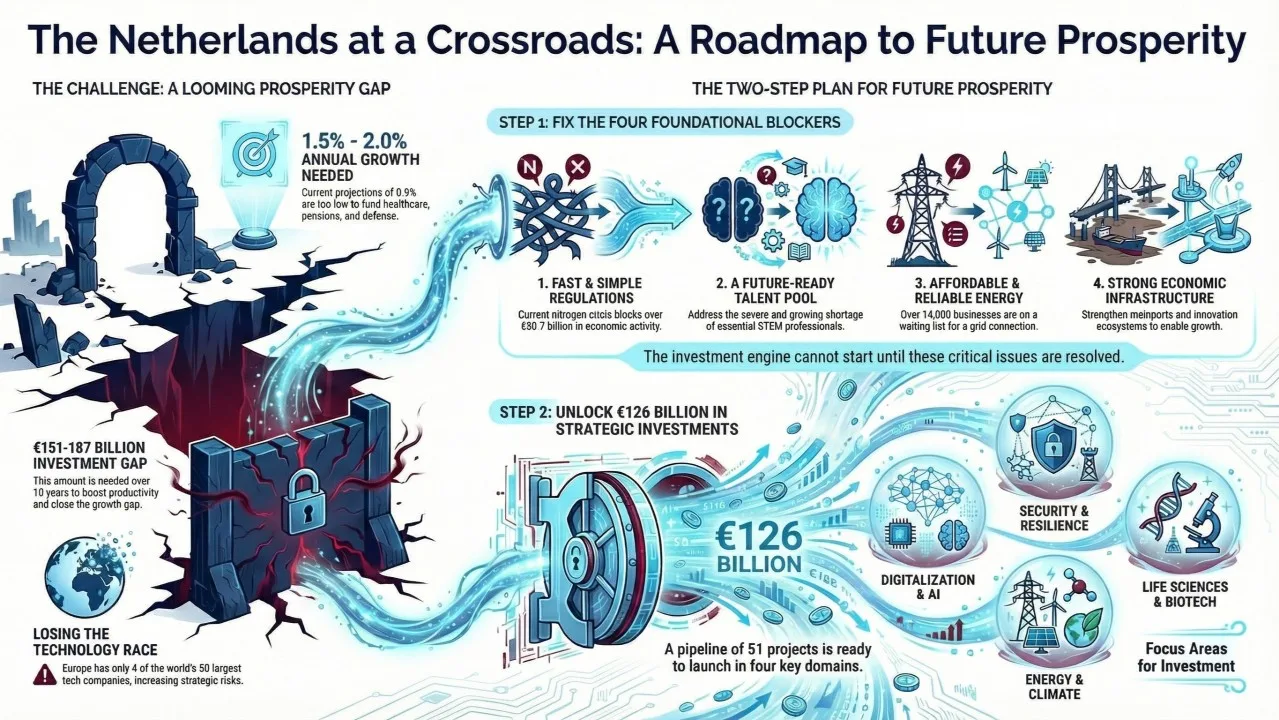
For the first time, we can map new career paths not only for ourselves, but also for others. Skills become visible. Transitions become realistic. Combining roles becomes logical. Not someday. Now.This aligns strongly with what major reports are telling us. The Wennink report makes it painfully clear that future economic growth will not come from more people or more hours, but from higher productivity driven by better skill allocation, faster transitions and continuous reskilling. Jobs-based systems are simply too rigid for what lies ahead.
At the same time, leading AI reports point in the same direction. AI only creates value if it is paired with human capabilities, organisational redesign and trust. Technology alone does not fix labour market mismatches. Skills do.
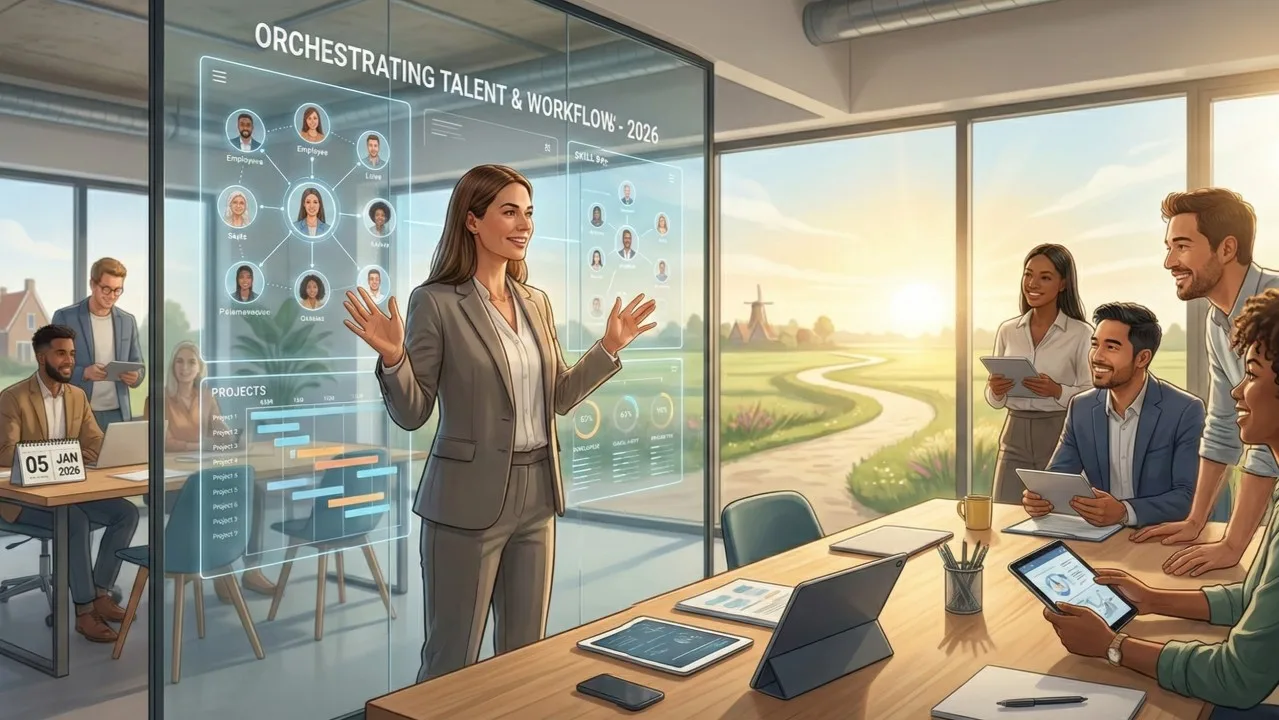
That is why skills-based organising truly breaks through in 2026.
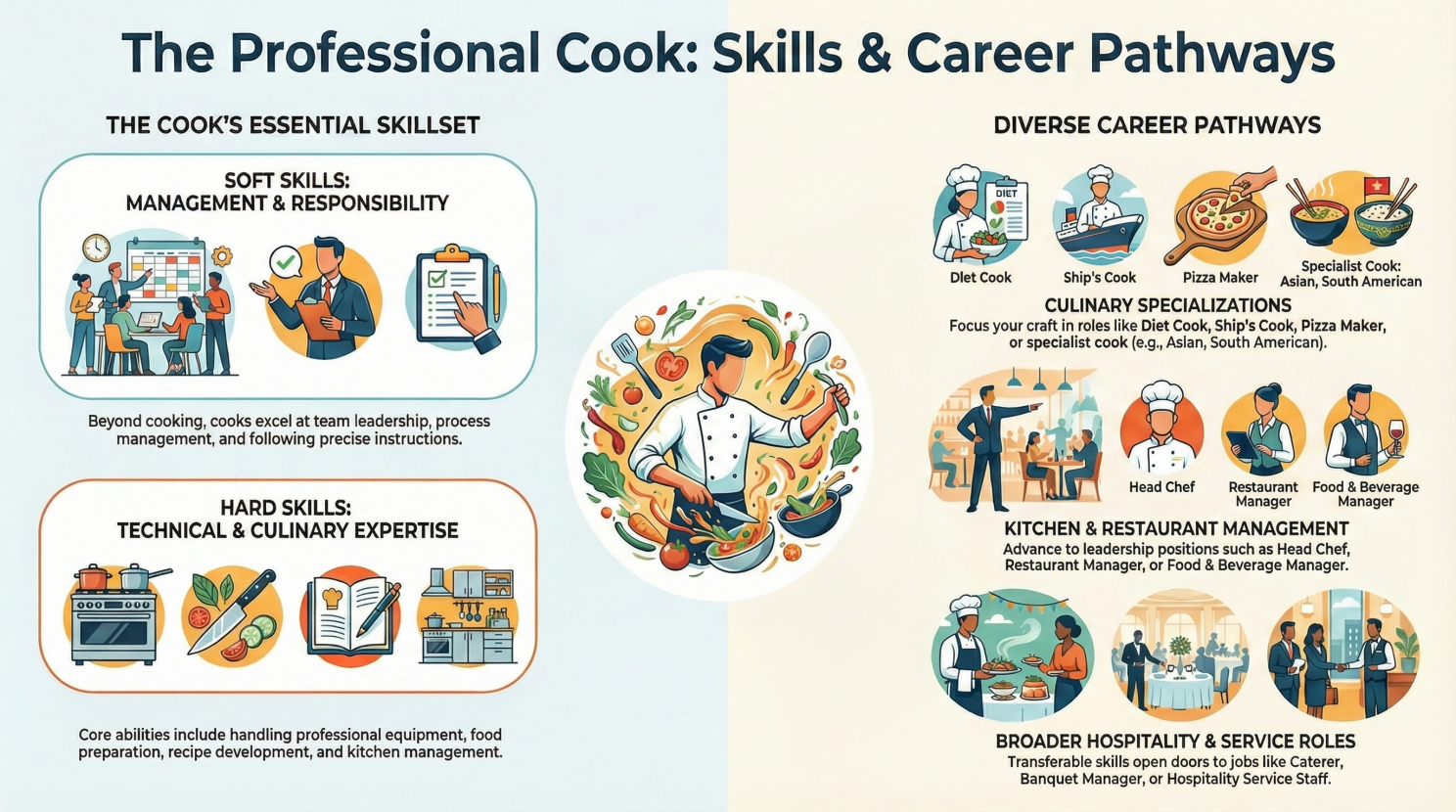
I added above image that shows the skills of a cook and all the different roles those skills could translate into. It perfectly illustrates the shift we are making: away from fixed job titles and linear ladders, towards dynamic skill portfolios and fluid careers.
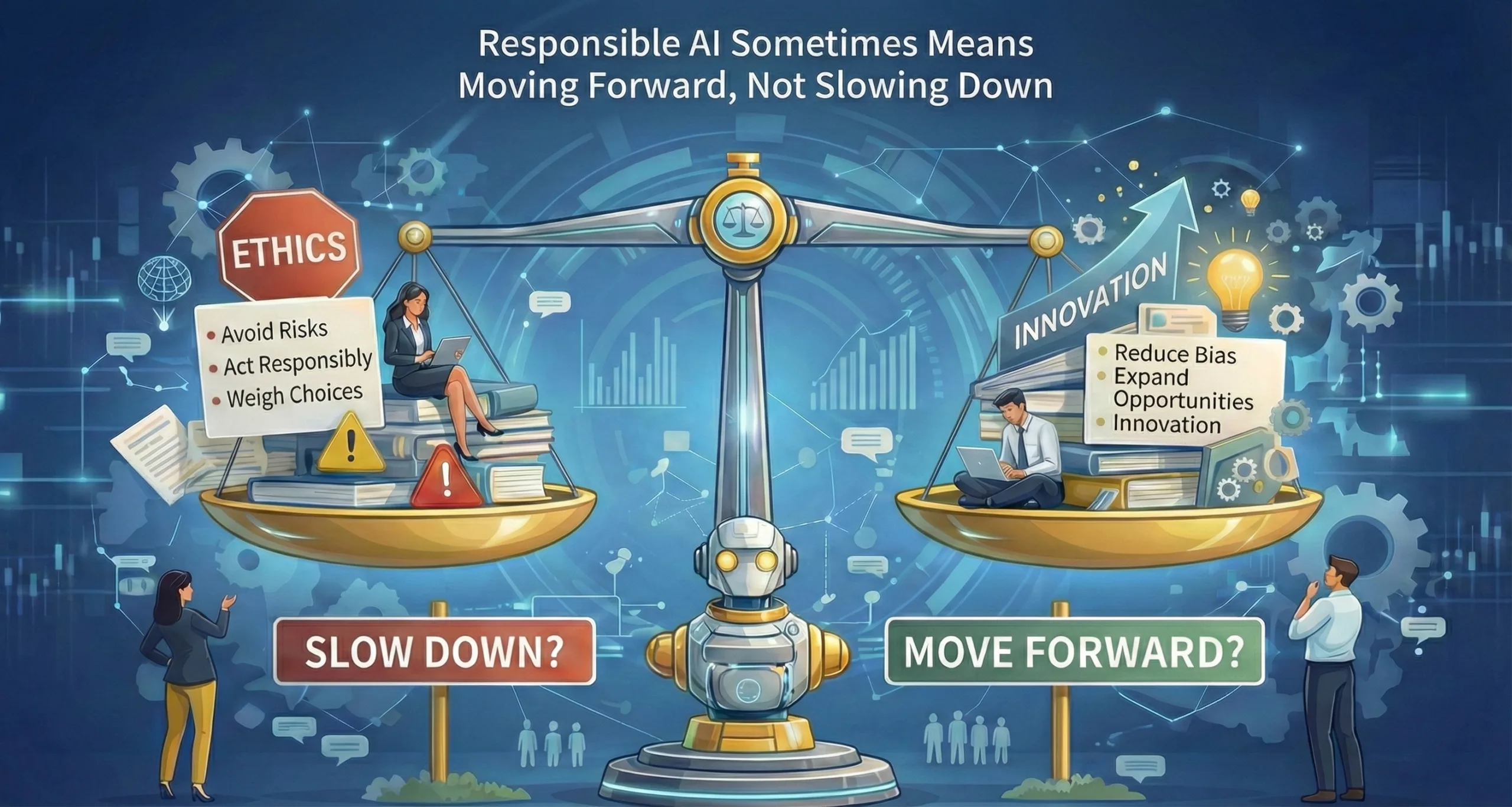
The past weeks were intense. Almost crazy. You can feel the focus zooming in on HR. People understand AI now. They no longer ask whether it works, but how to use it responsibly and effectively to redesign work itself.
At the same time, the news tells us that entry-level jobs are disappearing. Traditional career ladders are eroding. This is often framed as a threat, but it is also a huge opportunity. A chance to rethink careers completely. To design work that is more dynamic. To combine tasks across organisational boundaries. To move from static roles to living ecosystems of work.
I admit it: sometimes I am impatient. Or even worried by the damage done of all this innovatoin. I have been saying for years that this moment would come. But when I look around now, I see it clearly. We are at the tipping point. Organisations are no longer talking about it, they are building it. Asking better questions than ever before.
The last weeks of 2025 were busy. And the start of 2026 looks genuinely hopeful, with several promising skills-based organising pilots about to launch.
The future of work is not approaching. It is already here.