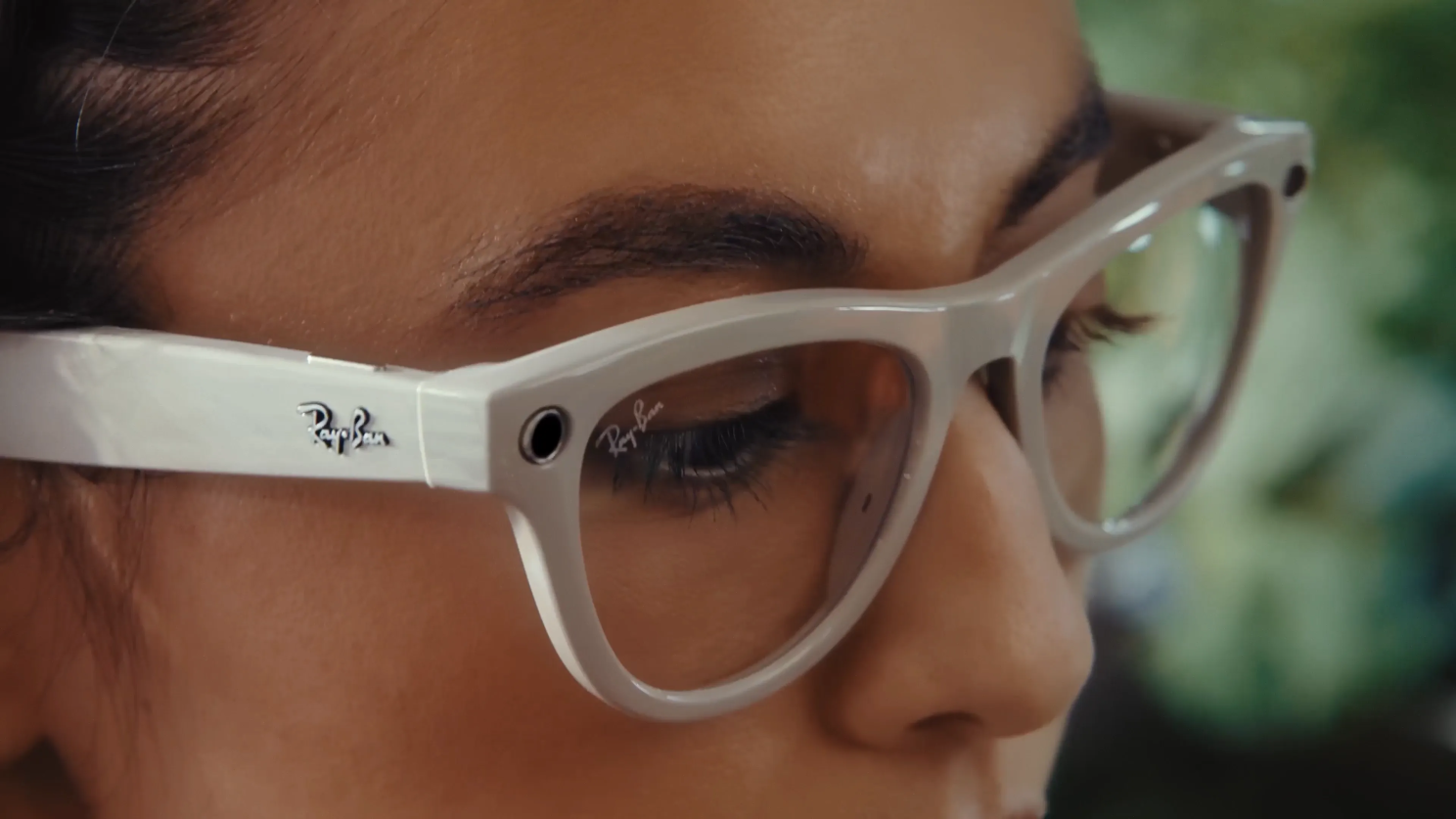
Even though they don’t really look good on me, I’ve been wearing a pair of AI (sun)glasses for a few days now: the Ray-Ban Meta Wayfarer Version 2. They can record video, take photos, and answer AI questions like What am I looking at?, How many people are here?, or Where did I leave my keys again?
For me, it’s mostly a gadget — something to make my keynote talks a bit more playful and interactive. But at the same time, it perfectly connects to what I discuss with HR departments: a future where work will be organized in completely new ways.
1. Everyone will soon have one
The glasses cost around €400 today, but that price will drop quickly. And then? Everyone can use them. That unlocks countless possibilities:
- In healthcare: a nurse can have a doctor watch along in real time.
- In security: colleagues can see what’s happening without being on-site.
- In education: coaches can see through teacher’s eyes to improve lessons.
- In technical work: an expert can guide a junior remotely through complex tasks.
Knowledge and experience become scalable — no longer bound by time or place.
2. But the most powerful feature is blocked
The glasses can livestream what you see, but that feature is disabled in Europe. GDPR regulators still find it too risky for someone to watch along live through a wearable camera. And that raises some big questions:
- Is filming through glasses really that different from filming with a phone?
- Aren’t existing rules for video recording already clear enough?
- Aren’t social norms around being filmed in public already shifting fast, with security cams everywhere?
- And how do we balance legitimate privacy concerns with the huge potential to make work smarter, safer, and more effective?
Because imagine what this could mean for better education, better healthcare, safer environments, and cheaper repairs or maintenance.
3. What does this mean for work?
In the video I added to this post, you’ll see how I use the glasses:
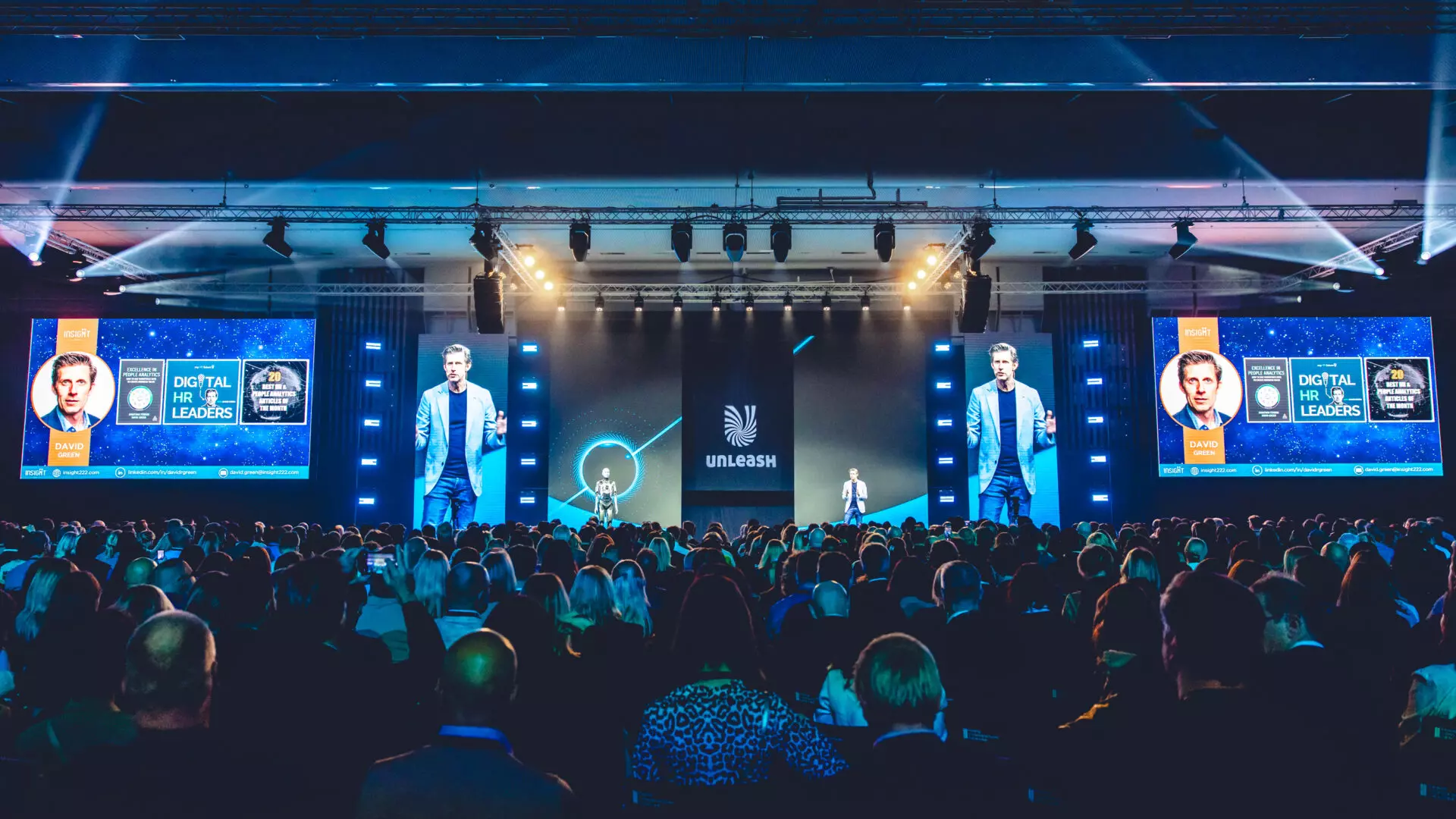
- walking onto stage at the Recruitment Tech Event,
- recording hands-free while driving,
- and filming during a lunch with HR professionals (after informing everyone, of course).
The reactions range from curious to slightly uneasy — and that’s exactly the point I want to find out. Are we ready for this?
Does the EU have a point in being cautious, or are we holding back innovation that could already make work better today? Does Meta have a point when they say we’re missing out on huge AI opportunities to improve how we work, learn, and care?
And for HR: Should we lead the way in exploring this responsibly — or wait and see until the rules catch up?
The AI glasses aren’t science fiction anymore. They’re here, right on my face. The real question is: do we dare to look through them?