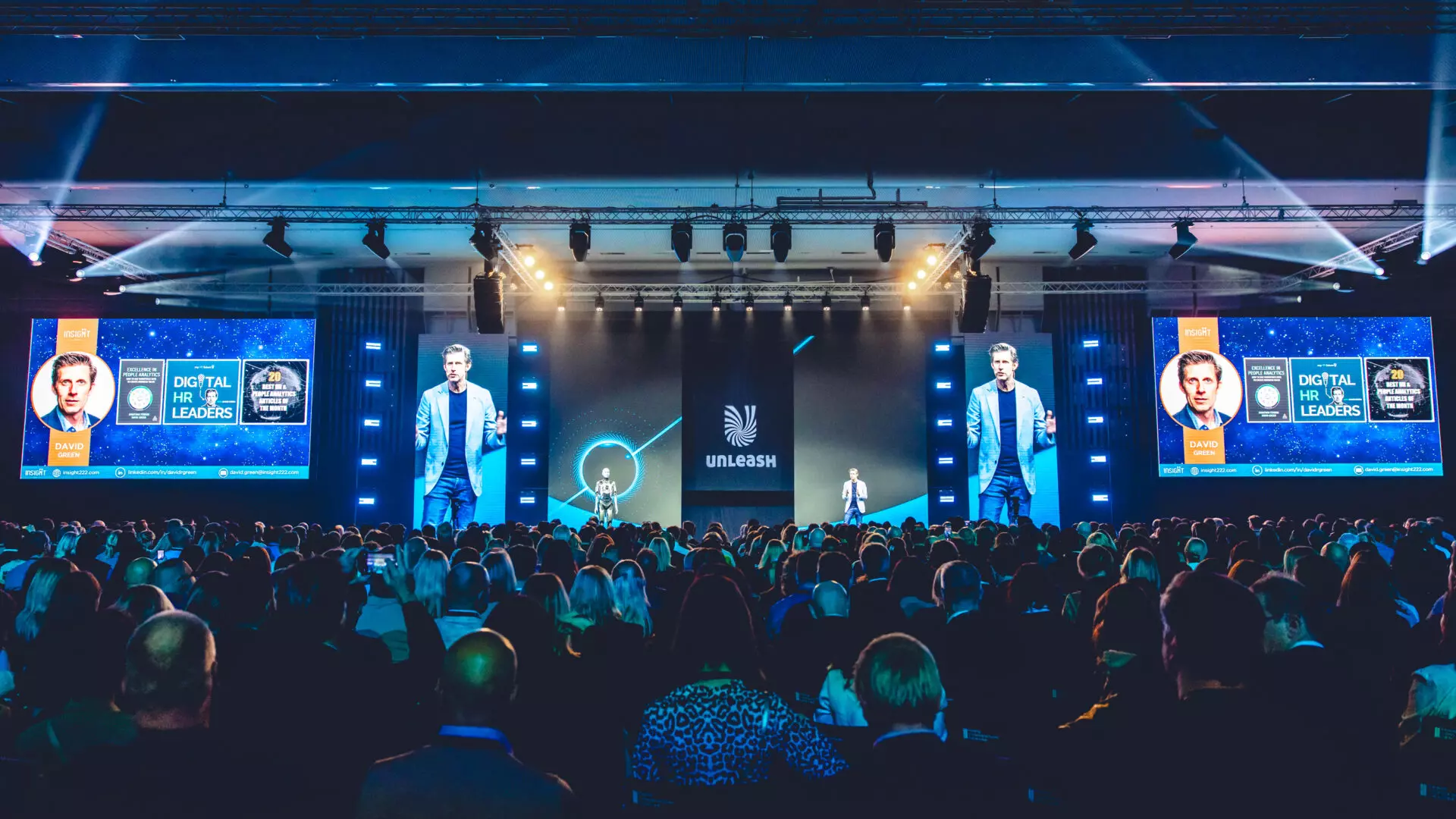
This week I spent two inspiring days at the Global Talent Strategy & Intelligence Conference in Amsterdam. Vendors, corporate leaders, academics, and practitioners came together to share ideas, challenges, and visions for the future of work. For me, these two days were not just about new tools and concepts, but about a movement that is slowly gaining momentum: the rise of Talent Intelligence.
What is Talent Intelligence?
For those who are less familiar: Talent Intelligence is about using data to understand, predict, and guide decisions about people in organizations. It connects skills, experience, ambitions, and market data into one picture. It is not only about recruiting external talent faster, but also about identifying and developing the potential already inside the organization.
Large enterprises have been building Talent Intelligence functions for years. They combine internal data (HR systems, performance, learning, mobility) with external labor market insights. But the real challenge – and opportunity – is that every organization, regardless of size, will need this mindset and capability in the coming years. Because almost every strategic question boils down to a talent question.

Beyond Talent Acquisition: the New Links
For a long time, the focus has been on connecting Talent Acquisition with Talent Intelligence: smarter ways to find and select the right people. That link remains crucial, but the next step is just as important: connecting Talent Intelligence with People Analytics.
It’s not just about hiring the best talent. It’s about retention, internal mobility, and continuous development. How can you help people grow? How do you prevent them from leaving because they no longer see perspective? How do you align learning, reskilling, and recognition with the real skills the organization needs?
Why Now?
We live in an era where data sources are exploding. We can connect internal and external skills data, job market signals, and learning opportunities like never before. This accessibility of data should empower organizations to make better, faster, and fairer decisions. But making decisions based on data is only half the story: these insights need to carry weight in the boardroom. HR is on the verge of becoming the most important seat at the table, because the key questions of every organization are essentially talent questions.

The Caterpillar Metaphor
One image kept coming back during the conference: the transformation from caterpillar to butterfly. In that metamorphosis, the caterpillar doesn’t simply “add wings.” It dissolves completely into a kind of “juicy soup” before becoming something entirely new.
That’s where organizations find themselves today. Incremental change often feels safer, but it rarely gets you to the next stage. To truly embrace Talent Intelligence, organizations must dare to let go of old structures and beliefs. This is not just a mental exercise – it is something you need to embody, to try, to practice in small steps.
And that’s exactly where the real movement lies: people and organizations who don’t just talk about it, but live it daily, showing examples that others can follow.

Key Takeaways
- Translate job functions into skills – job titles are too static to keep up.
- Validate and certify skill taxonomies, so customers and employees can trust a common language.
- Provide tailored subsets of taxonomies, updated semantically, instead of overwhelming “one-size-fits-all.”
- Use employees as annotators of their own skills – let them confirm what the system infers.
- Connect daily work signals (tickets, CRM, projects) with the skills they represent.
- Don’t lose the human touch: technology must serve the candidate and employee experience, not replace it.
Looking Ahead
Talent Intelligence is not just a technology, it is a way of organizing. The real breakthroughs will not come from software alone, but from communities of practitioners who experiment, share their weaknesses, and inspire others by doing.

I leave the conference with renewed conviction: AI, Skills, and Gooing – the three words that capture my impressions. Gooing, that messy but vital in-between stage where the old dissolves and the new is not yet fully formed. Just like the caterpillar becoming a butterfly, organizations too must dare to let go of structures that no longer serve them, even if the process feels uncertain.
It is in this in-between state – between the familiar and the unknown – that our greatest opportunity lies: to shape the future of work with courage, creativity, and collaboration.