The world of work is changing faster than our HR systems
AI agents are no longer a distant vision. They already code, draft, support, and even negotiate. Organizations are adding digital teammates at scale. Yet most companies still rely on static skills catalogues to manage their workforce. That approach is breaking down.
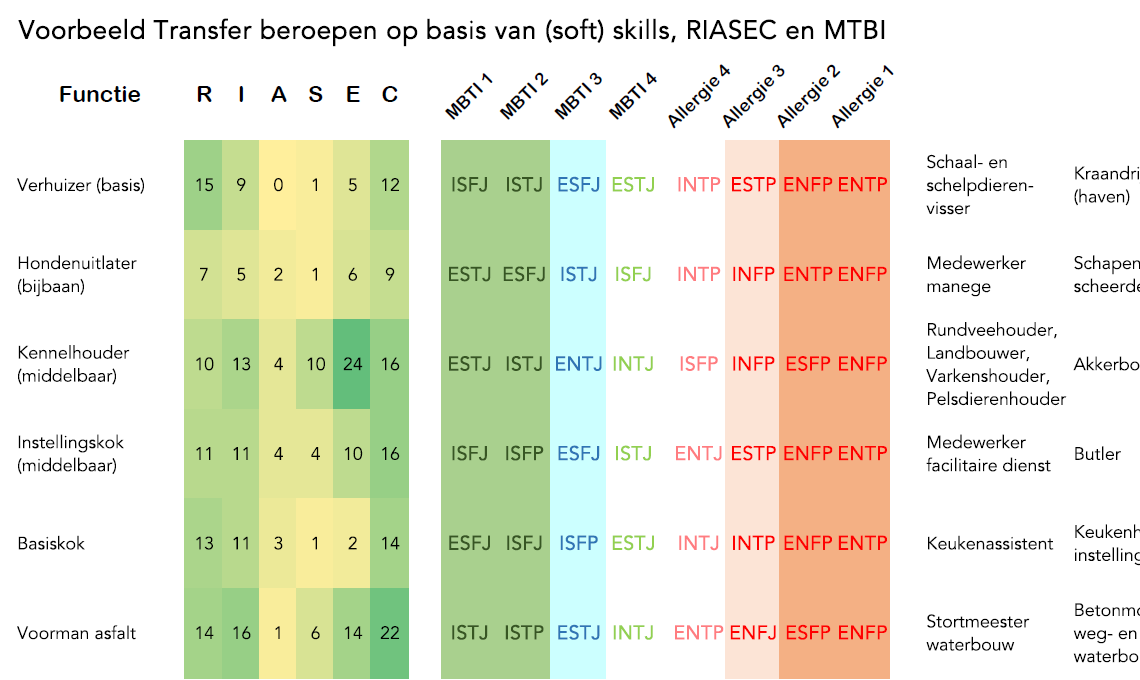
Skills alone don’t explain how work gets done. Two employees with the same profile can deliver very different outcomes depending on their tools, context, and access to AI support. A static skills inventory cannot capture that complexity.
From skills lists to dynamic capability orchestration
The reality is simple: talent and work are too dynamic for traditional taxonomies. A fixed skills catalogue freezes reality in time, while work is fluid. New technologies, new roles, and new demands emerge faster than a taxonomy can update.
That’s why we need dynamic, multidimensional taxonomies – or better: graphs. Graph-based intelligence connects skills, tasks, and outcomes in real time. It doesn’t just tell you what skills exist, but how they are applied, where they overlap, and how humans and AI together create value.
Four shifts organizations must make
- Allocate tasks, not just skills Stop asking “What skills do we have?” and start asking “Which tasks are best for humans, for AI, or for hybrid collaboration?”
- Build living capability blueprints Move from static inventories to evolving maps that track the interplay between skills, tasks, and outcomes as they change.
- Validate skills against real outcomes Skills gain meaning only when linked to performance. Real-time feedback loops align capability data with actual results.
- Continuously optimize Use orchestration systems that don’t just describe work, but constantly re-balance how humans and AI share it.
The human advantage
As AI handles more technical tasks, human value shifts. Curiosity, creativity, resilience, and problem-solving become the scarce resources. Someone with average technical skills but high engagement may contribute more than an expert who resists change.
Capability orchestration is about creating systems that highlight those human strengths while letting AI take the routine.
The takeaway
Managing the future of work isn’t about having the biggest skills catalogue. It’s about orchestrating capabilities across humans and machines in real time. That requires dynamic graphs, continuous feedback, and outcome-based talent intelligence.
Organizations that embrace this shift will not just survive the AI era – they’ll lead it.
Want to learn more?
I’ll be speaking on this topic at upcoming events. Join me to dive deeper into how AI and skills intelligence reshape the future of work. A few examples of events:
- Zukunft Personal Europe (Cologne) – 9-10 September 2025
- Recruitment Meet-up Matchr – 11 September 2025
- Global Talent Strategy & Intelligence Conference (Amsterdam) – 23-24 September 2025
- Digitaal Werven Live (Amersfoort) – 7 October 2025
Would love to see you there! Send me a DM for tickets.