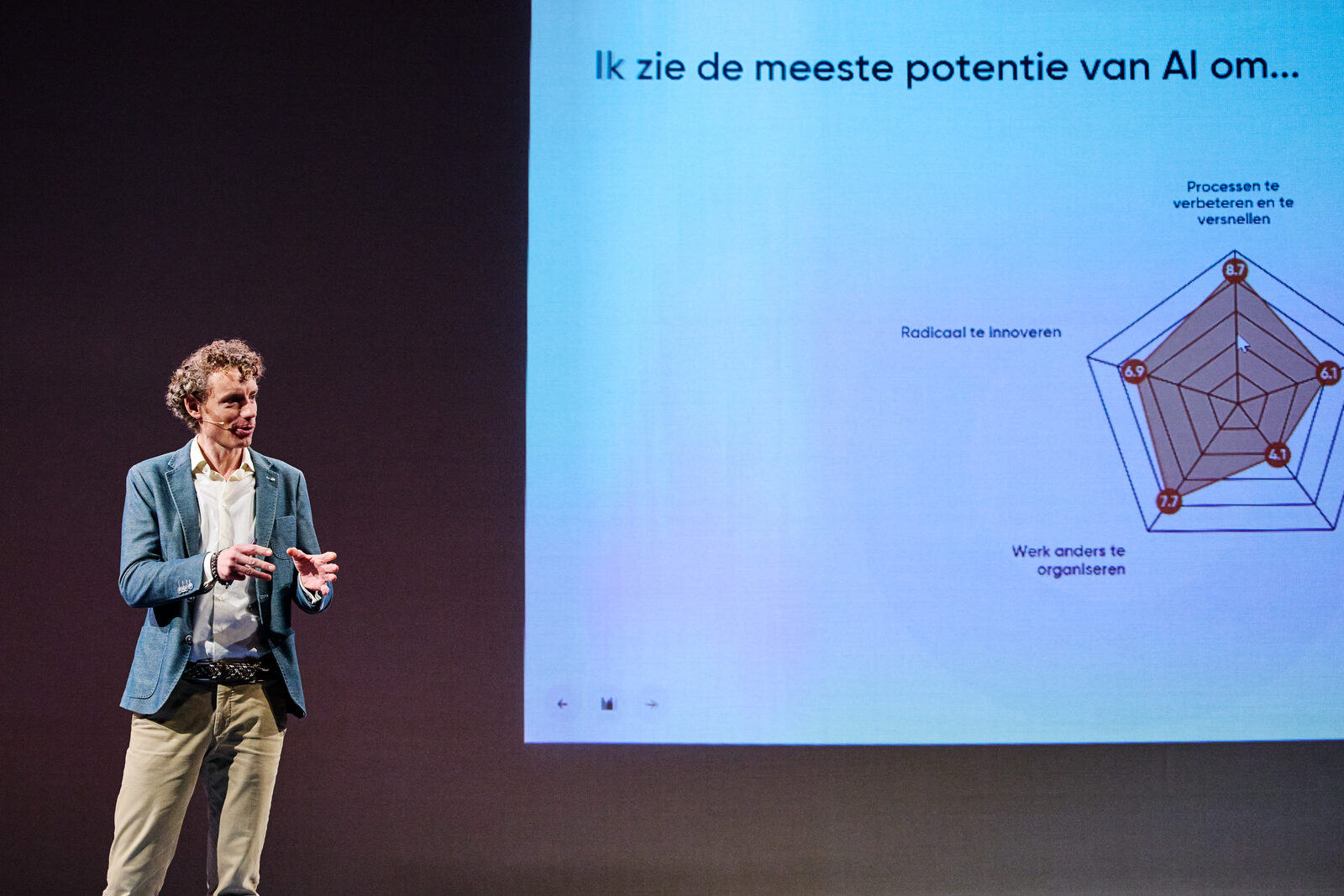
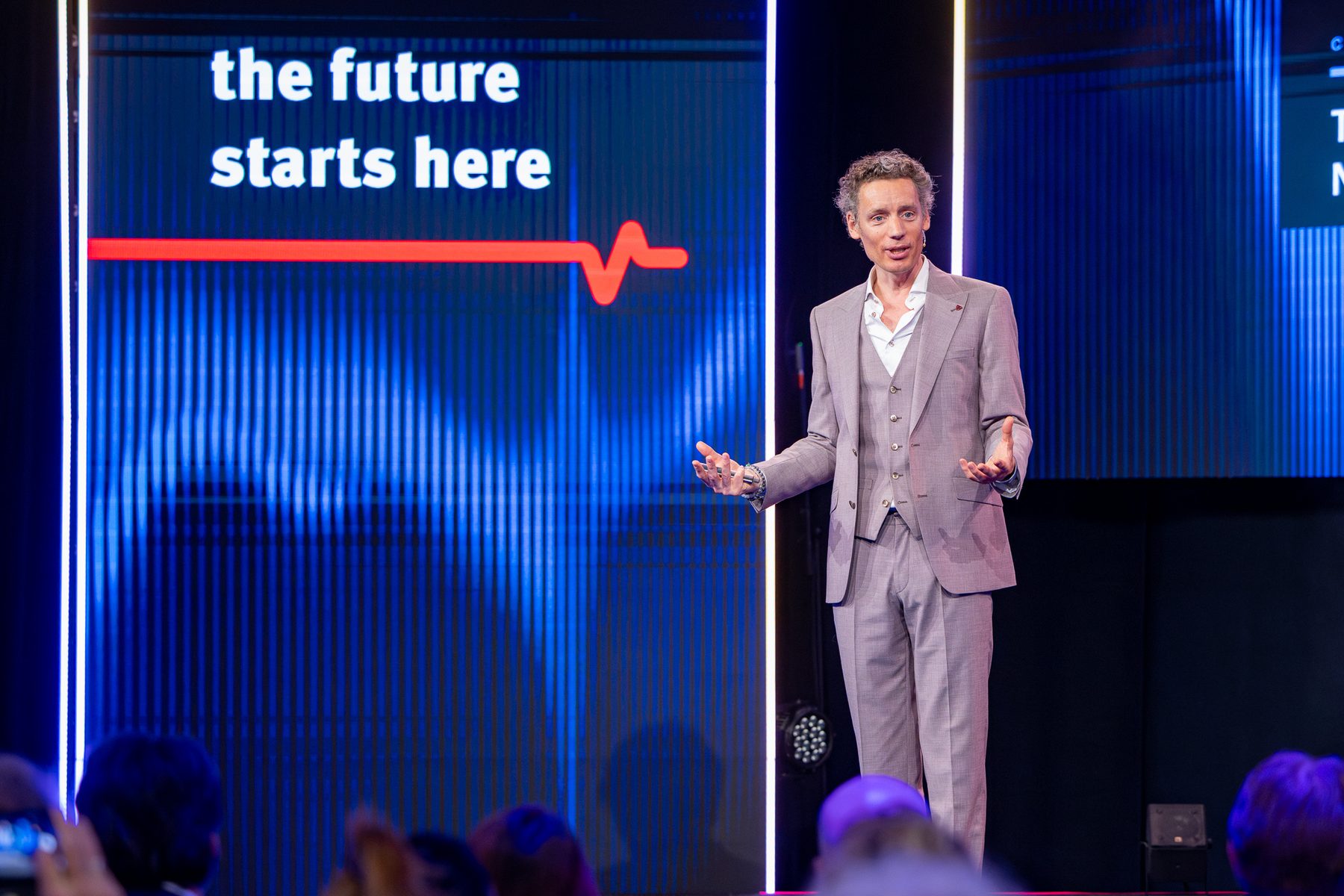
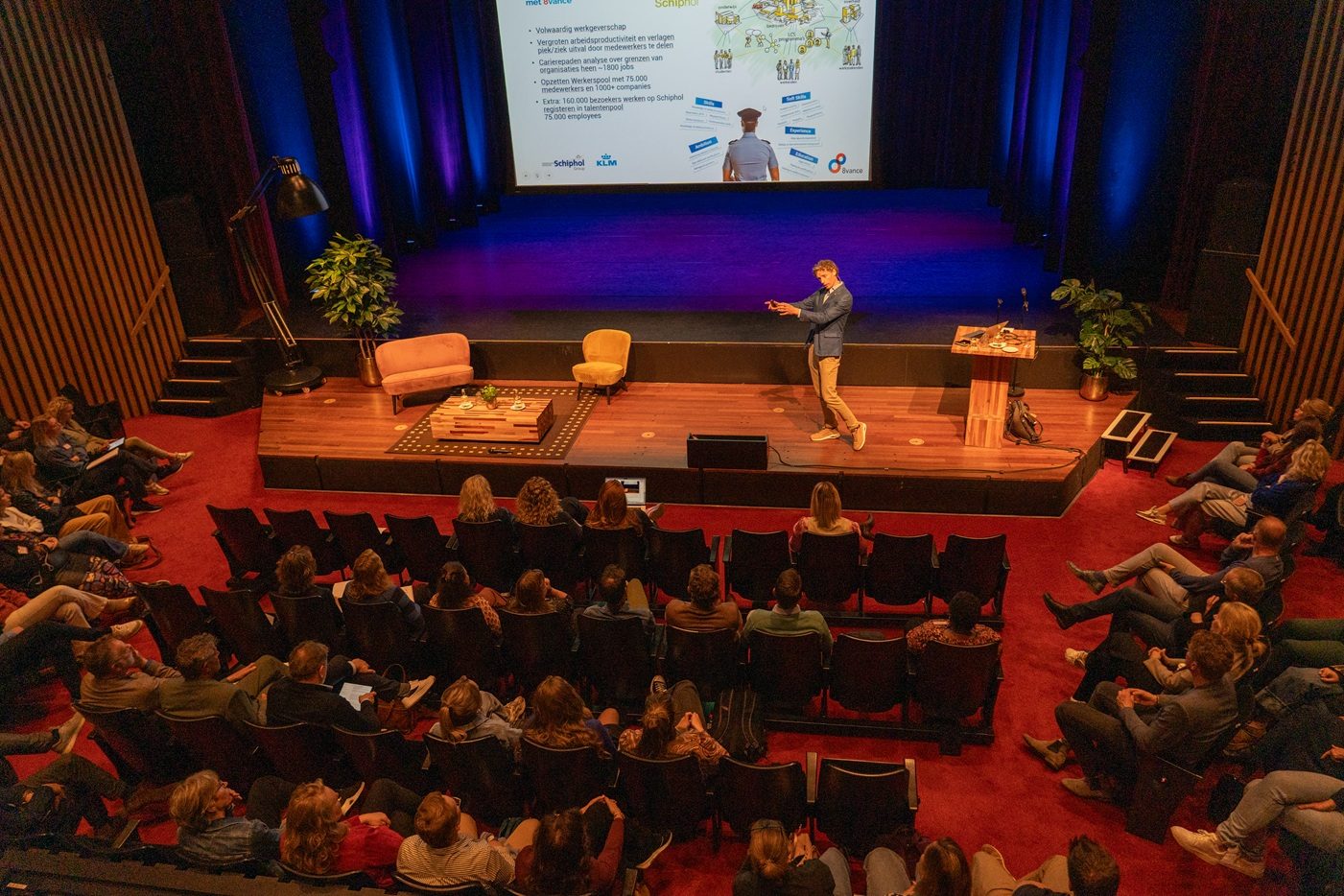
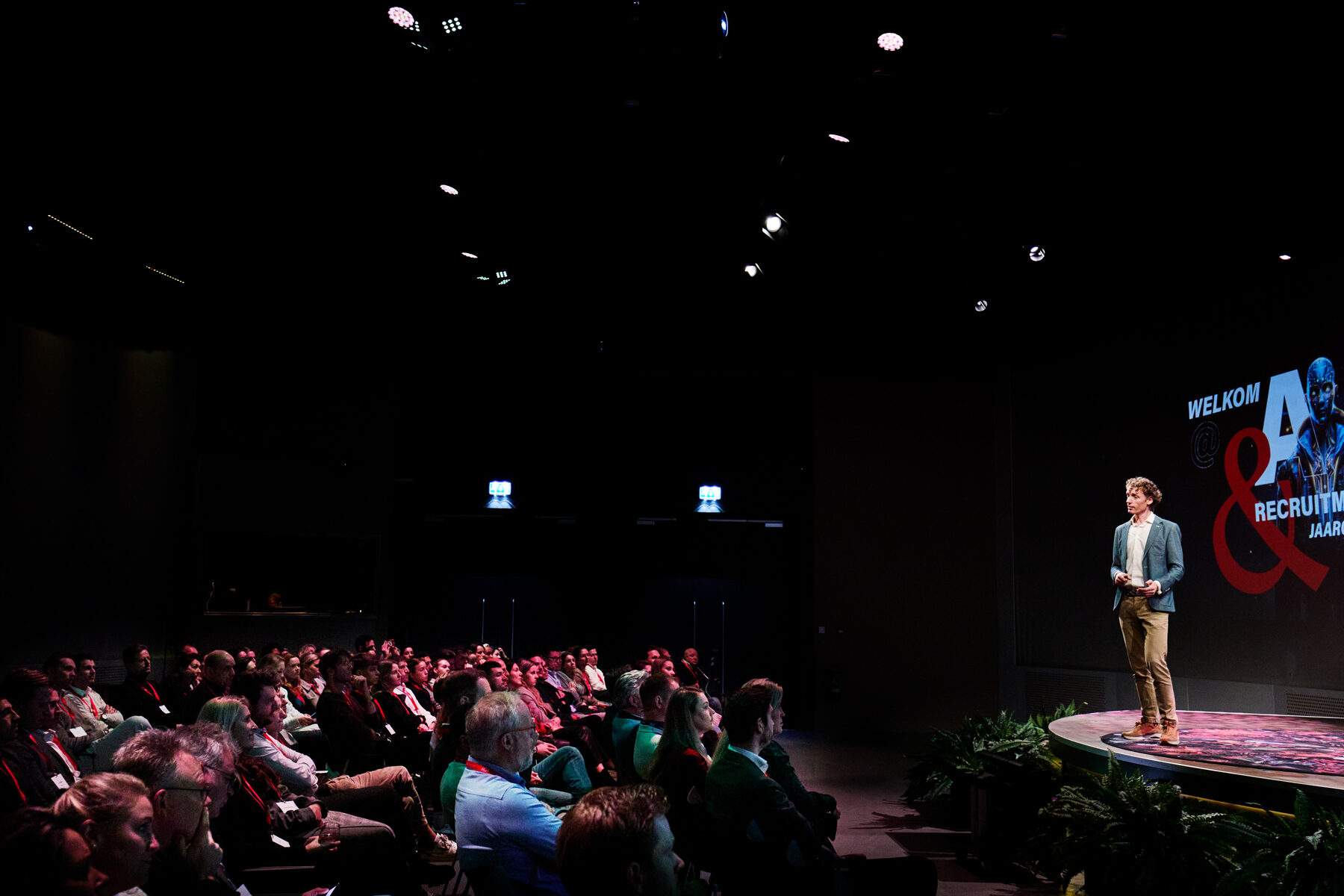
UNLEASH World Paris 2025 – Where HR, AI and Human Potential Truly Converged

What a fantastic couple of days at UNLEASH World in Paris—now back on the train, a bit weary from all the conversations, but absolutely buzzing with new ideas. Hands down one of the best HR events I’ve attended this year.

Why it stood out

  • The sheer volume of people I met—HR leaders, tech innovators, service-providers, start-ups—both from the Netherlands and around the world. Real potential meaningful conversations.
  • A rich programme of sessions: workshops, masterclasses, main stage talks, innovation showcases. For example, the “Skills Summit” and workshops on workforce planning, talent marketplaces, task-based work, AI agents for HR. (muchskills.com)
  • The exhibitor floor wasn’t just surface-level: I got strong insight into the landscape & competition for 8vance —what vendors are doing, start-ups pushing boundaries, how established players are responding.
  • The vibe: a healthy blend of tech + human. It reminded me strongly that while the technology is magnificent, the differentiator remains how we integrate it—culture, leadership, change-management.

What I heard and learned: key trends

  • From jobs to tasks / matching: This came up repeatedly. Rather than filling job-titles, HR is shifting toward matching tasks, micro-work, modules of work based on skills and outcomes.
  • AI agents for all HR processes: It’s no longer “some HR tech uses AI” but “AI-agents” embedded across recruiting, onboarding, learning, talent marketplaces, internal mobility.
  • Talent marketplaces, Strategic Workforce Planning and Skilling with AI are booming topics. Organisations are increasingly treating talent as a fluid marketplace, not static hierarchies. Skills are becoming the operating system.
  • But adoption strategy remains the key: technology without adoption, culture, leadership, measurement is at risk. As Josh Bersin emphasised: 2025 is about business reinvention—not just incremental tech implementation. (UNLEASH)
  • Also: People analytics and data were foundational – many sessions underscored that HR still has work to do on leveraging data for strategic decision-making.

Insights from Josh Bersin’s keynote and research

Josh launched his new report “The Rise of the Supermanager” at the conference, where he argues that AI isn’t replacing managers—it’s up-levelling them. He reminded us: “We are in the most disruptive period for HR we’ve ever seen,” and the question isn’t if but how fast we reinvent. From his perspective:

  • The concept of the “superworker” (someone who uses AI to significantly boost productivity, creativity and value) is real.
  • More importantly, the “supermanager” who guides, enables and unleashes teams with AI is pivotal.
  • HR’s mandate is shifting: it’s not just about systems or processes but about workforce architecture, dynamic roles, skills-based design.
  • AI adoption isn’t plug-and-play: culture, leadership, change-management, and skills development are the differentiators.
Article content

What wasn’t discussed — but should be

Interestingly, one topic was missing from most conversations: credentials and portability of skills and identity. No one really talked about how we could create a more trusted, blockchain-like system to anchor what someone can do and who they are — so that verified skills and credentials can travel with the person.

Today, HR systems are still designed around organisational silos. Profiles don’t “travel” when you move from one employer to another. That means people keep rebuilding their history, skills, and achievements again and again. There was also almost no discussion about cross-organisational talent mobility — the ability to exchange people, projects or capabilities between companies in a trusted way.

From my perspective, the candidate and employee viewpoint still gets too little attention. If we truly want to make the future of work more dynamic and fair, we have to start designing for the individual journey, not just the company process. That’s where the next big innovation will need to happen.

My takeaways for 8vance and our community

  • We must continue to invest in people + platform: the tech enables scale, data, automation—but the human lens, the experience, the change-journey is what drives adoption.
  • Our talent strategy must evolve: from “hire more” to “enable more”. That means internal mobility, skills-mapping, matching tasks not just jobs, marketplaces inside organisations.
  • HR’s role is shifting from “service provider” to “strategic architect of the future of work”. Tech gives us platform, but meaning, human connection and purpose remain our differentiator.
  • As we evaluate vendors, start-ups and competitive landscape: what differentiates is how they support adoption, enable skills-first-design, help build marketplaces—not just show flash tech.
  • Networking pays off: the leads and conversations I had in Paris—from both Dutch and international players—will help us at 8vance sharpen our direction, identify partnerships, and accelerate execution.

Looking ahead

I come back from Paris with a renewed conviction: this is a moment of opportunity. For organisations, for HR, for people. If you are working in talent, learning, HR tech, culture, workforce planning—this isn’t peripheral. This is core. I’m excited to bring what I’ve learned at 8vance into practice. To iterate quickly, try new things, measure hard, scale what works. And to surround ourselves with partners and explorers who aren’t just following tech—they’re shaping what work will mean tomorrow. To everyone in my network: if you get the chance to attend UNLEASH next time—take it. The perspectives you’ll gain will shift your thinking and your action.

#FutureOfWork #HRTech #TalentStrategy #Innovation